
Why Skystone Finance is Betting on Investment Banking as the Next Growth Frontier

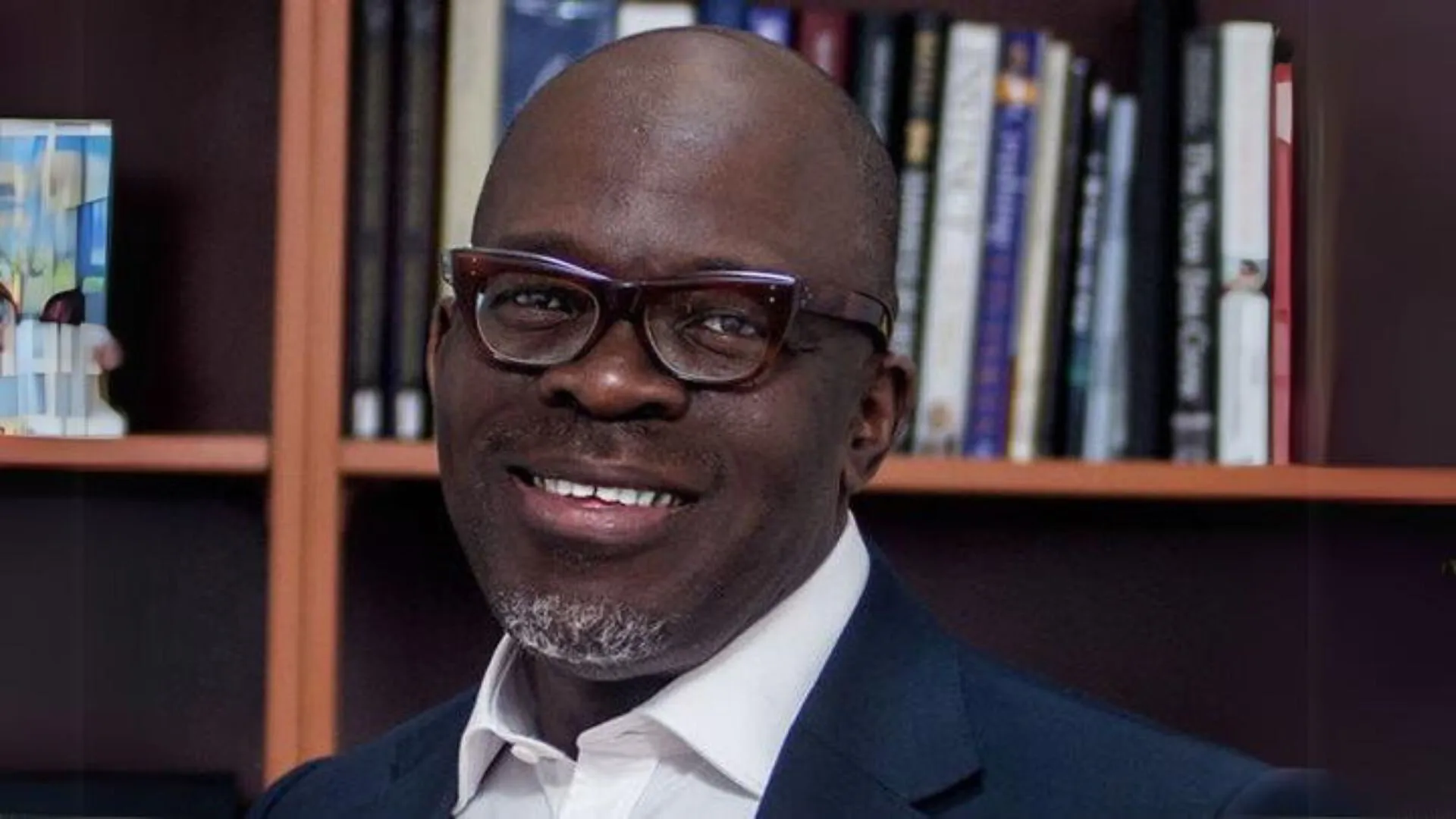
Seven years after opening its doors, Skystone Finance Company Limited has steadily grown from a small financial services provider into a player with big ambitions. The company, which began with a focus on SME lending and bespoke financial advisory, is now setting its sights on a new frontier: investment banking. At its 7th anniversary, Managing Director/CEO Mr. Ola Olabinjo shared insights into the company’s vision, pointing to investment banking as the natural next step in its growth story. “We have successfully built a track record in SME financing and advisory, but the next phase for us is to deelpen our role in capital markets,” Olabinjo explained in an interview with the company’s Media and Corporate Communications team. “That is why we pursued and have now secured fund management and issuance licenses. We are building the structure to operate fully in these areas from September 2025.”

From SME Lending to Market Expansion

Skystone Finance entered the Nigerian market in 2018 with a clear focus: providing tailored credit solutions for small and medium-sized businesses underserved by traditional banks. In its early years, the firm carved out a niche by designing flexible loan products and pairing them with financial advisory to help entrepreneurs grow sustainably. But as the company matured, it identified a bigger challenge facing Nigerian businesses, access to long-term, affordable capital. While short-term loans help enterprises with working capital needs, true expansion requires tapping deeper pools of financing. That realization has led Skystone toward investment banking.

Riding the Capital Market Wave

Nigeria’s capital markets, though underdeveloped compared to global standards, have begun to attract more interest as businesses look beyond bank lending. Corporate bond issuances, private equity inflows, and alternative financing structures are slowly gaining traction. Olabinjo believes Skystone is well-positioned to play a catalytic role in this evolution. “Our work with family businesses showed us a clear gap,” he said. “Many of these companies could scale faster if they had the governance and structures required to raise money in the capital markets. That is exactly where we come in, not just to provide credit, but to guide them into becoming issuers and fund managers themselves.”

The Governance Advantage

Unlike traditional investment banks that focus purely on deal execution, Skystone’s strategy is to combine capital raising with corporate governance advisory. Having already helped about 15 family-owned businesses restructure their boards, adopt modern accounting systems, and secure credit ratings, the firm sees governance as the key to unlocking cheaper capital. “Governance is central,” Olabinjo stressed. “If you want to access the bond market or attract institutional investors, you must demonstrate transparency, structure, and compliance. Our clients understand this because we don’t just talk about governance; we implement it.”

Scaling for the Future

With fund management and issuance licenses now secured, Skystone is preparing to expand its services into asset management, structured finance, and capital raising for corporates. The company is also building strategic partnerships to support cross-border financing in West Africa. Industry analysts say this is a logical move. Nigeria’s financing gap for SMEs alone is estimated at over ₦617 billion annually, according to the IFC, while corporate issuances remain a fraction of potential. By positioning itself as both a financier and an advisor, Skystone hopes to capture businesses at multiple stages of their growth journey.

Betting on the Next Frontier

As the company prepares for this transition, its leadership is clear about one thing: investment banking is not a departure from Skystone’s original mission but an expansion of it. “Our mission has always been to build institutions, not just lend money,” Olabinjo said. “Investment banking is the next logical step. It allows us to provide the capital, the structure, and the platforms businesses need to grow beyond Nigeria and into regional and global markets.” For a company that began with SMEs and is now reshaping governance in family-owned enterprises, this new chapter could define its role in Nigeria’s financial ecosystem for years to come.

Post a comment

Your email address will not be published.

Related Posts